













उत्तरी हरा अजगर Eunectes akayima: वैज्ञानिकों ने खोजी नई प्रजाति, संरक्षण पर मंडराया खतरा
वैज्ञानिकों ने Diversity Journal 2024 में एक नई विशालकाय अजगर प्रजाति Eunectes akayima का वर्णन किया है। जानिए कैसे DNA विश्लेषण और 1,400 से अधिक नमूनों के अध्ययन ने हरे अजगर की दो अलग प्रजातियों को सिद्ध किया और संरक्षण की नई चुनौतियाँ खड़ी कीं।
वैज्ञानिक खोज: उत्तरी हरा अजगर — Eunectes akayima
विज्ञान जगत में एक महत्वपूर्ण खोज सामने आई है। वैज्ञानिकों ने Diversity पत्रिका में प्रकाशित एक शोधपत्र में एक नई विशालकाय अजगर प्रजाति का औपचारिक वर्णन किया है, जिसे उत्तरी हरा अजगर या Eunectes akayima नाम दिया गया है। इस खोज ने विश्व के सबसे प्रसिद्ध सांपों में से एक — हरे अजगर — के बारे में हमारी समझ को पूरी तरह बदल दिया है।
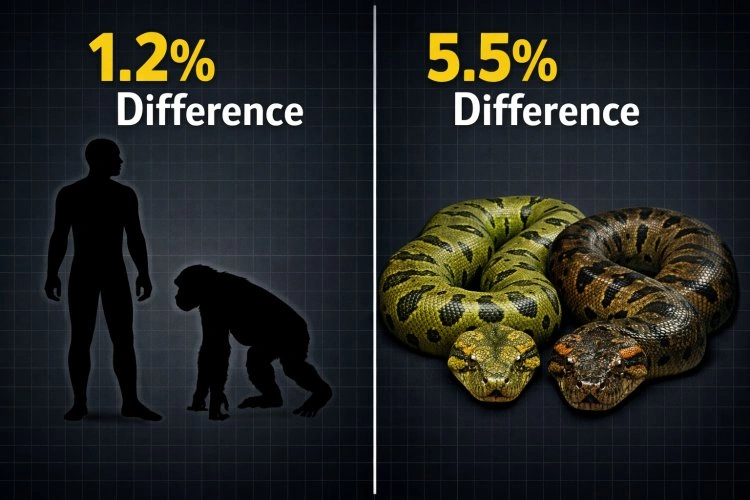
शोधकर्ताओं ने यह पुष्टि की है कि Eunectes akayima आनुवंशिक रूप से दक्षिणी हरे अजगर — Eunectes murinus — से पूरी तरह अलग है। दशकों तक इन दोनों को एक ही प्रजाति माना जाता रहा, लेकिन अब यह स्पष्ट हो गया है कि ये दो अलग-अलग विकासवादी पथों पर चले हैं।
इस अध्ययन में डीएनए विश्लेषण, शारीरिक माप और औपचारिक वर्गीकरण कार्य को एक साथ जोड़कर यह दिखाया गया है कि जिसे कभी एक ही "हरा अजगर" माना जाता था, वह वास्तव में दो अलग प्रजातियाँ हैं — जिनका विकास इतिहास, वितरण क्षेत्र और संरक्षण आवश्यकताएं अलग-अलग हैं।

शोधकर्ताओं ने नई प्रजाति में गहरी आनुवंशिक और पारिस्थितिक भिन्नताओं का खुलासा किया है।
नई प्रजाति का उद्भव: अध्ययन का विवरण
Eunectes akayima का वर्णन वर्ष 2024 में ओपन-एक्सेस पत्रिका Diversity में प्रकाशित हुआ। इस शोध में वैज्ञानिकों ने उत्तरी क्षेत्रों में पाए जाने वाले हरे अजगरों को दक्षिणी प्रजाति से औपचारिक रूप से अलग किया। अध्ययन उन जनसंख्याओं पर केंद्रित है जो ओरिनोको बेसिन और उसके आसपास के क्षेत्रों में पाई जाती हैं — जिनमें कोलंबिया, वेनेजुएला, गुयाना, सूरीनाम, फ्रेंच गुयाना, उत्तरी ब्राजील, इक्वाडोर और पेरू के हिस्से शामिल हैं।
कई वर्षों से सरीसृप वैज्ञानिकों (herpetologists) को संदेह था कि हरे अजगर एक से अधिक प्रजातियों का प्रतिनिधित्व कर सकते हैं। पूर्व के आनुवंशिक अध्ययनों में गहरे विभाजन के संकेत मिले थे, लेकिन किसी ने इसे आनुवंशिकी, आकारिकी और वर्गीकरण — तीनों स्तरों पर एक साथ सिद्ध नहीं किया था। यह नया अध्ययन पहली बार इन तीनों को एक ही विस्तृत डेटासेट में समेकित करता है।
शोध दल में दक्षिण अमेरिकी वर्षावनों और नदी तंत्रों में दशकों तक काम करने वाले विशेषज्ञ शामिल थे। उन्होंने ओरिनोको और अमेज़न बेसिन के अलग-अलग भागों से नमूने एकत्र किए और उनका तुलनात्मक विश्लेषण किया। परिणाम अत्यंत स्पष्ट और निर्णायक थे।
शोधकर्ताओं ने भिन्नता को कैसे सिद्ध किया
इस शोधपत्र में Eunectes akayima को एक स्वतंत्र प्रजाति के रूप में मान्यता देने के लिए कई स्वतंत्र विधियों का उपयोग किया गया है:
- माइटोकॉन्ड्रियल डीएनए विश्लेषण: शोधकर्ताओं ने आनुवंशिक दूरी को मापा और पाया कि यह भिन्नता उन स्तरों के अनुरूप है जो अलग प्रजातियों के बीच देखी जाती है।
- आकारिकीय डेटा (Morphological Data): 1,400 से अधिक अजगरों के शरीर की लंबाई, सिर के अनुपात और अन्य शारीरिक लक्षणों का विशाल डेटासेट तैयार किया गया।
- विकासवादी समय-निर्धारण: मॉलिक्युलर क्लॉक विश्लेषण के माध्यम से यह अनुमान लगाया गया कि दोनों प्रजातियाँ एक साझा पूर्वज से लगभग 1 करोड़ वर्ष पहले अलग हुई थीं।
- भौगोलिक वितरण अध्ययन: दोनों प्रजातियों के वितरण क्षेत्रों का विस्तृत मानचित्रण किया गया, जिससे उनके आवास और पारिस्थितिकी में अंतर स्पष्ट हुआ।
इन विधियों का एक साथ उपयोग इस अध्ययन को विशेष रूप से विश्वसनीय बनाता है। किसी एक विधि पर निर्भर रहने के बजाय, टीम ने बहु-साक्ष्य दृष्टिकोण अपनाया जो आधुनिक वर्गीकरण विज्ञान का स्वर्ण मानक माना जाता है।
वर्गीकरण और स्वदेशी नामकरण
शोधकर्ताओं ने इस समूह के नामकरण को स्थिर करने के लिए अंतर्राष्ट्रीय प्राणी नामकरण संहिता (ICZN) के नियमों का सावधानीपूर्वक पालन किया। उन्होंने उत्तरी हरे अजगर को Eunectes akayima sp. nov. के रूप में औपचारिक रूप से वर्णित किया, जबकि दक्षिणी प्रजाति के लिए Eunectes murinus नाम बनाए रखा।
"akayima" नाम सांस्कृतिक दृष्टि से अत्यंत महत्वपूर्ण है। लेखकों ने स्पष्ट रूप से उल्लेख किया है कि यह नाम स्वदेशी भाषाओं से लिया गया है, ताकि उन आदिवासी राष्ट्रों और उनके भूमि से जुड़ाव का सम्मान किया जा सके जो सदियों से इन वर्षावनों के संरक्षक रहे हैं।
यह दृष्टिकोण प्राणी विज्ञान में ऐतिहासिक यूरोकेंद्रित परंपराओं को चुनौती देता है। परंपरागत रूप से प्रजातियों के नाम यूरोपीय वैज्ञानिकों या उनके संरक्षकों के नाम पर रखे जाते थे। स्वदेशी भाषाओं और संस्कृतियों को वर्गीकरण में शामिल करना इस क्षेत्र को अधिक समावेशी बनाता है और यह मान्यता देता है कि इन क्षेत्रों के मूल निवासी सदियों से इन प्रजातियों के बारे में ज्ञान रखते आए हैं।
यह नामकरण उस व्यापक वैज्ञानिक आंदोलन का हिस्सा है जो जैव विविधता अनुसंधान में स्थानीय और आदिवासी ज्ञान को उचित महत्व देने की मांग करता है। इक्वाडोर के वाओरानी आदिवासी समुदाय की भूमि पर इस प्रजाति की खोज में स्थानीय समुदाय की भागीदारी विशेष रूप से उल्लेखनीय रही।
लैंगिक आकार द्विरूपता (Sexual Size Dimorphism)
हरे अजगर अत्यधिक लैंगिक आकार द्विरूपता के लिए प्रसिद्ध हैं, जहाँ मादाएं नरों की तुलना में बहुत बड़ी होती हैं। यह स्थिति सांपों की दुनिया में असाधारण मानी जाती है। मादा उत्तरी हरी अजगर की लंबाई 7 से 8 मीटर तक हो सकती है, जो उसे पृथ्वी के सबसे लंबे सांपों में गिना जाता है।
इस अध्ययन से पता चलता है कि आकार के इस अंतर की मात्रा और प्रकृति दोनों प्रजातियों में एक समान नहीं है। यह खोज प्रजनन जीव विज्ञान, मैटिंग बॉल के निर्माण और आवास उपयोग की समझ के लिए महत्वपूर्ण निहितार्थ रखती है।
मैटिंग बॉल एक असामान्य प्रजनन व्यवहार है जिसमें एक मादा के चारों ओर कई नर एक साथ एकत्रित होते हैं। इस व्यवहार की अवधि, आवृत्ति और भाग लेने वाले नरों की संख्या दोनों प्रजातियों में भिन्न हो सकती है, जो उनके प्रजनन तंत्र में मूलभूत जैविक अंतर को दर्शाता है।
वैज्ञानिक बहस पर टिप्पणी: अनेक प्रमुख वर्गीकरण संशोधनों की तरह, इस मान्यता को भी पीले अजगर के रूपों की व्याख्या के संदर्भ में कुछ संशय का सामना करना पड़ा है। तथापि, Diversity पत्रिका का शोधपत्र दीर्घकालिक क्षेत्र कार्य और बड़े नमूना आकारों पर आधारित है जो इसे अत्यंत विश्वसनीय बनाता है।
आवास और पारिस्थितिकी
Eunectes akayima मुख्य रूप से उष्णकटिबंधीय नदी प्रणालियों, दलदलों और बाढ़ के मैदानों में निवास करता है। ओरिनोको नदी बेसिन, जो दक्षिण अमेरिका की दूसरी सबसे बड़ी नदी प्रणाली है, इस प्रजाति का प्रमुख आवास है। यहाँ का घना वर्षावन और विस्तृत वेटलैंड इस विशाल सरीसृप के जीवन के लिए आवश्यक परिस्थितियाँ प्रदान करते हैं।
ये अजगर अर्ध-जलीय जीव हैं — वे अपना अधिकांश समय जल में या जल के निकट बिताते हैं। पानी में तैरने और गहरे पानी में शिकार करने की उनकी क्षमता असाधारण है। वे मछली, कैपीबारा, कैमन और यहाँ तक कि जगुआर जैसे बड़े शिकारों को पकड़ने में सक्षम हैं।
उत्तरी और दक्षिणी प्रजातियों के आवास क्षेत्रों में कुछ स्थानों पर ओवरलैप हो सकता है, लेकिन उनके पारिस्थितिक व्यवहार और प्राथमिकताओं में सूक्ष्म अंतर देखे गए हैं। यह समझना कि दोनों प्रजातियाँ अपने साझा क्षेत्रों में कैसे सह-अस्तित्व में रहती हैं, भविष्य के अनुसंधान का एक महत्वपूर्ण विषय होगा।
संरक्षण की तात्कालिकता
इस खोज का सबसे महत्वपूर्ण व्यावहारिक निहितार्थ संरक्षण पर पड़ता है। जब इन्हें एक ही व्यापक प्रजाति माना जाता था, तब हरे अजगर संरक्षण की दृष्टि से सुरक्षित प्रतीत होते थे। लेकिन दो प्रजातियों के रूप में विभाजन से यह स्पष्ट होता है कि उत्तरी हरे अजगर का वितरण क्षेत्र छोटा और अधिक सीमित है।
इससे Eunectes akayima इन खतरों के प्रति अधिक संवेदनशील हो जाता है:
- आवास विनाश और वनों की कटाई।
- नदी तंत्र में परिवर्तन और तेल उत्खनन गतिविधियाँ।
- ओरिनोको और अमेज़न क्षेत्रों में बढ़ता मानवीय दबाव।
- जलवायु परिवर्तन के कारण वेटलैंड और बाढ़ क्षेत्रों में बदलाव।
- अवैध वन्यजीव व्यापार और त्वचा के लिए शिकार।
इस प्रजाति की पहचान संरक्षण योजनाकारों को अपनी प्राथमिकताओं का पुनर्मूल्यांकन करने पर मजबूर करती है। वर्गीकरण सीधे तौर पर इस बात को प्रभावित करता है कि विश्व के सबसे बड़े उष्णकटिबंधीय वर्षावन में जैव विविधता की सुरक्षा के लिए संसाधनों का आवंटन कैसे किया जाए।
अंतर्राष्ट्रीय प्रकृति संरक्षण संघ (IUCN) को अब Eunectes akayima की संरक्षण स्थिति का अलग से मूल्यांकन करना होगा। यदि इसे किसी संकटग्रस्त श्रेणी में रखा जाता है, तो यह अंतर्राष्ट्रीय समझौतों के तहत इसके व्यापार और उपयोग पर प्रतिबंध लगा सकता है।
इस खोज का व्यापक महत्व
यह खोज केवल एक नए सांप की पहचान तक सीमित नहीं है। यह हमें बताती है कि पृथ्वी की जैव विविधता को लेकर हमारी समझ अभी भी अधूरी है। अमेज़न और ओरिनोको जैसे अत्यधिक अध्ययन किए गए पारिस्थितिक तंत्रों में भी नई प्रजातियाँ — और वह भी इस आकार की — छिपी हो सकती हैं।
यह शोध आधुनिक वर्गीकरण विज्ञान के लिए एक मॉडल अध्ययन भी है। डीएनए, आकारिकी और भौगोलिक वितरण को एकीकृत करने वाला यह बहु-साक्ष्य दृष्टिकोण भविष्य के प्रजाति विवरण के लिए एक मानक तैयार करता है।
वैश्विक जैव विविधता के लिए यह भी एक महत्वपूर्ण अनुस्मारक है कि संरक्षण प्रयास सटीक वैज्ञानिक वर्गीकरण पर निर्भर करते हैं। यदि हम प्रजातियों की सही पहचान नहीं कर पाते, तो हम अनजाने में उन्हें विलुप्ति की ओर धकेल सकते हैं।
संदर्भ एवं स्रोत
- Rivas et al., 2024, Diversity: Description of the Northern Green Anaconda (Eunectes akayima sp. nov.) — शोधपत्र देखें
- National Geographic: Scientists reveal new green anaconda species — लेख पढ़ें
- Mongabay: New giant anaconda species found on Waorani Indigenous land — रिपोर्ट पढ़ें
- VU Amsterdam: Revealing a New Green Species and Rethinking Yellows.
What's Your Reaction?
 Like
0
Like
0
 Dislike
0
Dislike
0
 Love
0
Love
0
 Funny
0
Funny
0
 Angry
0
Angry
0
 Sad
0
Sad
0
 Wow
0
Wow
0