





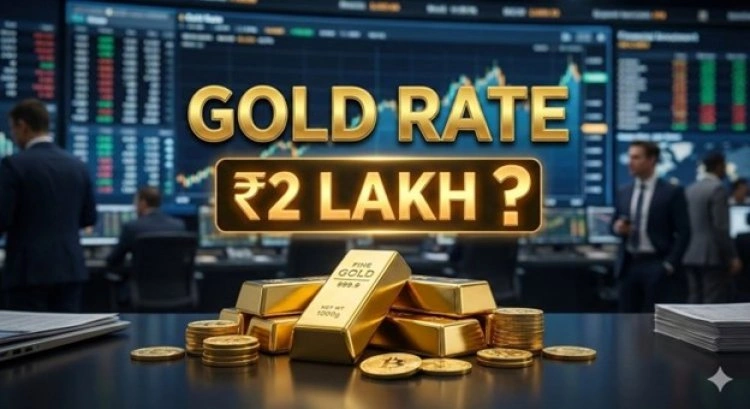
Is This Year Gold Price will Hit 2 lakh ?
An educational case study for economics and commerce students analyzing the macroeconomic factors, BRICS impact, and USD/INR dynamics behind gold price trends.
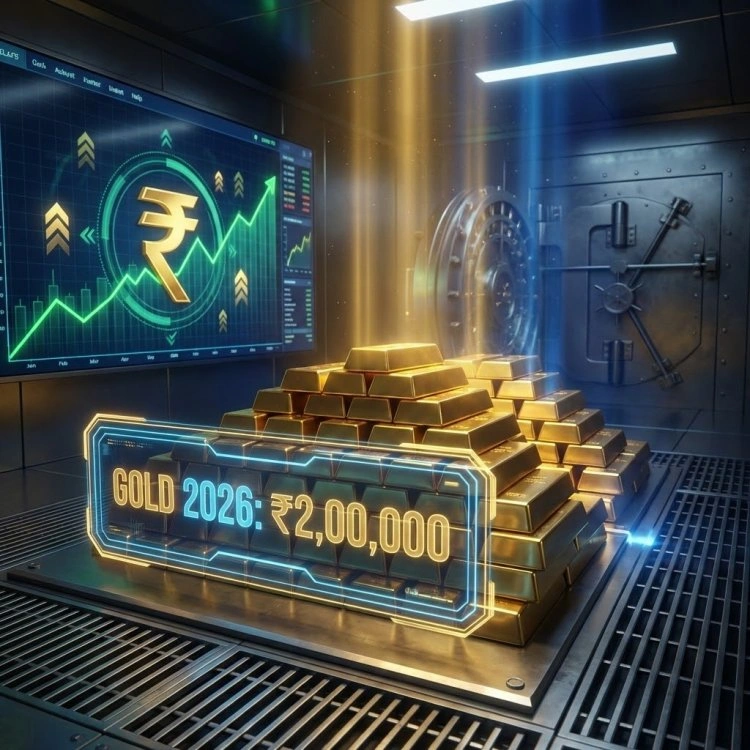
Macroeconomics for Students: Analyzing Gold Price Trends (2026 Case Study)
This academic case study explores the factors behind gold price fluctuations, focusing on the USD/INR exchange rate, BRICS policies, and global inflation. It is designed for Commerce and Economics students to understand market dynamics.
Key Reference: IndMoney Gold Reports
अर्थशास्त्र केस स्टडी (2026): क्या सोने की कीमत ₹2,00,000 प्रति 10 ग्राम तक पहुँच सकती है? एक विस्तृत विश्लेषण
कॉमर्स, अर्थशास्त्र (Economics), और प्रतियोगी परीक्षाओं (जैसे UPSC, SSC) की तैयारी कर रहे छात्रों के लिए कमोडिटी मार्केट (Commodity Market) का अध्ययन करना अनिवार्य है। विशेष रूप से भारत जैसे देश में, जहाँ सोना न केवल एक सांस्कृतिक आभूषण है, बल्कि एक महत्वपूर्ण मैक्रोइकॉनॉमिक इंडिकेटर (Macroeconomic Indicator) भी है। 2025 में सोने द्वारा ₹1,00,000 का ऐतिहासिक आंकड़ा पार करने के बाद, अब आर्थिक जगत में एक बड़ा सवाल तैर रहा है: क्या 2026 में सोना ₹2,00,000 के स्तर को छू पाएगा?
1. ऐतिहासिक डेटा का अकादमिक विश्लेषण (2016 - 2025)
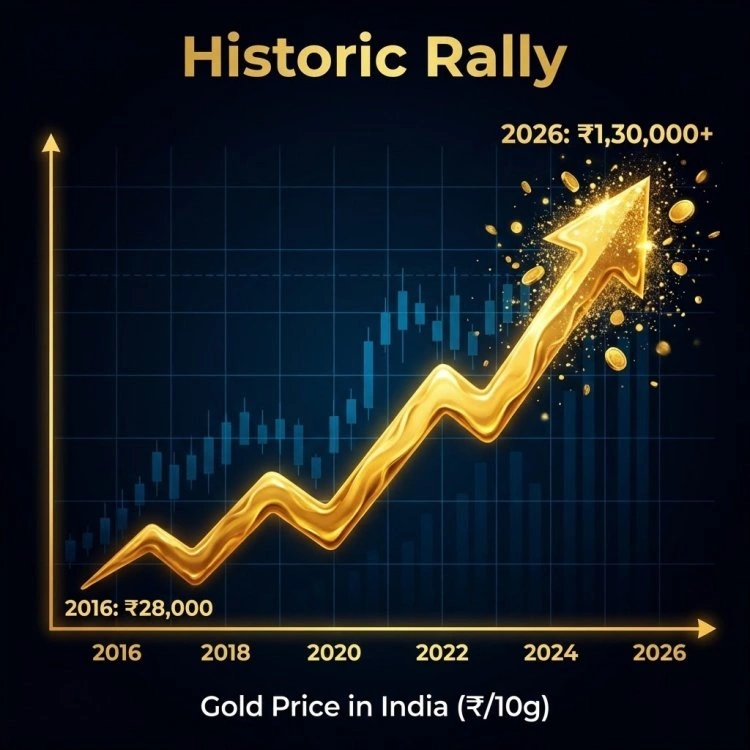
अर्थशास्त्र में किसी भी भविष्यवाणणी का आधार 'ऐतिहासिक डेटा' (Historical Data) होता है। पिछले एक दशक में सोने की कीमतों में जो वृद्धि देखी गई है, वह वैश्विक आर्थिक अस्थिरता और मुद्रास्फीति (Inflation) का सीधा परिणाम है। छात्रों को नीचे दी गई तालिका का सूक्ष्म अध्ययन करना चाहिए:
| वर्ष (Year) | औसत भाव (₹/10g) | मुख्य आर्थिक कारण |
|---|---|---|
| 2016 | ₹ 28,600 | नोटबंदी (Demonetization) और वैश्विक मांग |
| 2018 | ₹ 31,400 | बाजार में स्थिर तरलता (Liquidity) |
| 2020 | ₹ 48,650 | कोविड-19 वैश्विक महामारी और आर्थिक अनिश्चितता |
| 2022 | ₹ 52,670 | रूस-यूक्रेन युद्ध और भू-राजनीतिक तनाव |
| 2024 | ₹ 77,913 | उच्च वैश्विक मुद्रास्फीति (Global Inflation) |
| 2025 | ₹ 1,01,350 | 1 लाख का ऐतिहासिक मनोवैज्ञानिक स्तर |
2. सोने की कीमतों को चलाने वाले 5 मुख्य मैक्रोइकॉनॉमिक कारक
जब हम ₹2,00,000 के काल्पनिक स्तर की बात करते हैं, तो छात्रों को उन मूलभूत आर्थिक सिद्धांतों को समझना चाहिए जो मूल्य निर्धारण (Pricing) को प्रभावित करते हैं:
A. सेफ हेवन एसेट थ्योरी (Safe Haven Asset Theory)
वित्तीय बाजारों में जब भी अनिश्चितता (जैसे युद्ध, मंदी या राजनीतिक अस्थिरता) बढ़ती है, तो निवेशक शेयर बाजार और क्रिप्टोकरेंसी जैसे जोखिम भरे संपत्तियों से पैसा निकालकर सोने में लगाते हैं। इसे अर्थशास्त्र में 'Flight to Safety' कहा जाता है।
B. मुद्रास्फीति और क्रय शक्ति (Inflation vs Purchasing Power)
सोना मुद्रास्फीति के खिलाफ एक 'हेज' (Hedge) के रूप में कार्य करता है। जब कागजी मुद्रा (जैसे डॉलर या रुपया) की क्रय शक्ति घटती है, तो सोने के दाम बढ़ते हैं क्योंकि सोने की मात्रा सीमित है, जबकि मुद्रा असीमित रूप से छापी जा सकती है।
C. केंद्रीय बैंकों का भंडार (Central Bank Acquisitions)
दुनिया भर के केंद्रीय बैंक (जैसे भारत का RBI, चीन का PBOC) अपने विदेशी मुद्रा भंडार में विविधता लाने के लिए सोने की भारी खरीद कर रहे हैं। 2025-26 में केंद्रीय बैंकों द्वारा सोने की मांग में रिकॉर्ड वृद्धि देखी गई है।
3. अंतर्राष्ट्रीय संबंध और BRICS का प्रभाव (De-dollarization)
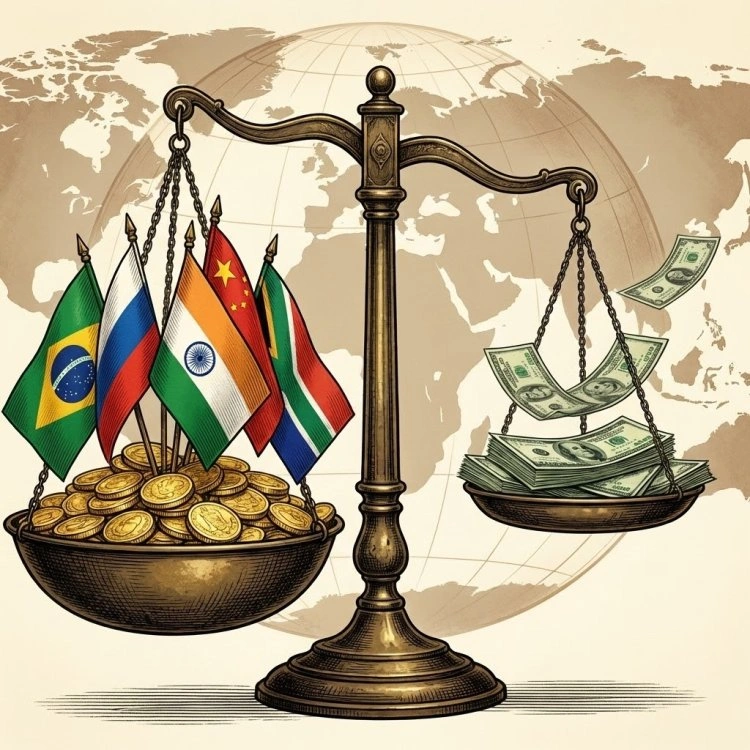
अंतर्राष्ट्रीय व्यापार के छात्रों के लिए 'De-dollarization' (डॉलर की निर्भरता कम करना) एक महत्वपूर्ण शोध विषय है। BRICS देश (ब्राजील, रूस, भारत, चीन, दक्षिण अफ्रीका) अब व्यापार के लिए स्थानीय मुद्राओं और सोने पर आधारित भुगतान प्रणालियों (जैसे BRICS Pay) पर विचार कर रहे हैं।
- डॉलर की कमजोरी: यदि अमेरिकी डॉलर वैश्विक व्यापार में अपनी पकड़ खोता है, तो सोने की कीमतों में अभूतपूर्व उछाल आना तय है।
- भू-राजनीतिक ध्रुवीकरण: पश्चिमी देशों और उभरती अर्थव्यवस्थाओं के बीच का तनाव सोने को एक 'तटस्थ संपत्ति' (Neutral Asset) बनाता है।
4. भारतीय संदर्भ: डॉलर बनाम रुपया (USD/INR) समीकरण
भारत अपनी सोने की खपत का 90% से अधिक हिस्सा आयात (Import) करता है। यहाँ छात्रों को **आयात-निर्यात अर्थशास्त्र (Import-Export Economics)** को समझना होगा।
सोने की घरेलू कीमत = (अंतरराष्ट्रीय हाजिर मूल्य × USD/INR विनिमय दर) + सीमा शुल्क (Customs Duty) + GST।
यदि अंतरराष्ट्रीय स्तर पर सोना $3,500 प्रति औंस पहुँच जाए और रुपया डॉलर के मुकाबले ₹95 तक गिर जाए, तो गणितीय रूप से भारत में सोना ₹1.80 लाख से ₹2.00 लाख के करीब पहुँच सकता है।
5. छात्रों के लिए निष्कर्ष और करियर परामर्श
इस केस स्टडी का मुख्य उद्देश्य यह समझना है कि बाजार में कोई भी बदलाव अचानक नहीं होता। इसके पीछे गहरी आर्थिक नीतियां होती हैं। कॉमर्स और इकोनॉमिक्स के छात्रों को चाहिए कि वे केवल कीमतों को न देखें, बल्कि उसके पीछे के 'क्यों' को समझें।
क्या आपको निवेश करना चाहिए? एक छात्र के रूप में, आपका सबसे बड़ा निवेश आपकी शिक्षा है। हालांकि, वित्तीय साक्षरता (Financial Literacy) के हिस्से के रूप में डिजिटल गोल्ड (Digital Gold) या सॉवरेन गोल्ड बॉन्ड (SGB) के बारे में पढ़ना आपके भविष्य के लिए लाभदायक हो सकता है।
महत्वपूर्ण संदर्भ एवं संबंधित लेख (References):
- डेटा स्रोत: IndMoney Gold Rate History
- संबंधित शिक्षा समाचार: NCERT नया पाठ्यक्रम 2026 विश्लेषण
- सरकारी योजनाएं: उत्तराखंड RTE एडमिशन प्रक्रिया 2026
अकादमिक अस्वीकरण (Academic Disclaimer): यह लेख पूरी तरह से कॉमर्स और अर्थशास्त्र के छात्रों के लिए एक 'केस स्टडी' (Case Study) के रूप में तैयार किया गया है। यहाँ दी गई ₹2,00,000 की कीमत एक काल्पनिक आर्थिक मॉडल पर आधारित है। इसे किसी भी प्रकार की वित्तीय सलाह, निवेश की सिफारिश या शेयर बाजार की भविष्यवाणी न माना जाए। निवेश करने से पहले हमेशा प्रमाणित वित्तीय सलाहकार (SEBI Registered Advisor) से सलाह लें।
What's Your Reaction?
 Like
0
Like
0
 Dislike
0
Dislike
0
 Love
0
Love
0
 Funny
0
Funny
0
 Angry
0
Angry
0
 Sad
0
Sad
0
 Wow
0
Wow
0