Ganpati Sindoor Ritual for All 12 Zodiac Signs Explain
Discover the zodiac-wise spiritual meaning of offering sindoor to Lord Ganesha, ruling planets, sankalp mantras, the puja method, and why it matters for students too. Slug: ganpati-sindoor-ritual-zodiac-signs
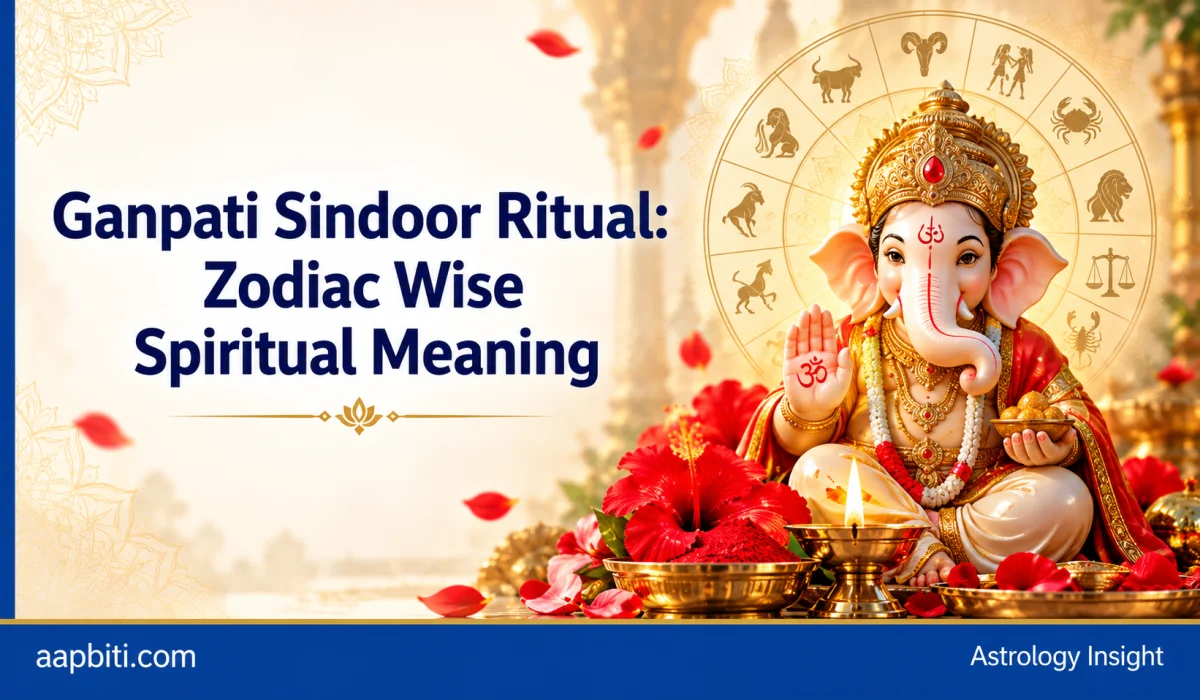
Ahead of Ganesh Chaturthi and in daily Ganpati puja across Uttarakhand and the rest of India, devotees offer red sindoor (vermilion) to Lord Ganesha as an act of faith and resolve. According to popular Vedic astrology belief, each of the twelve zodiac signs (rashi) is linked to a specific spiritual sankalp, or resolution, based on the planet that rules it -- turning a simple ritual into a personalised prayer for the year ahead.
Why Is Sindoor Offered to Lord Ganesha
In Ganesh worship traditions, offering sindoor is considered an act of shraddhapurna puja -- worship rooted in devotion. The red colour of sindoor is traditionally associated with energy, auspiciousness, strength and positive resolve. Devotees who follow this practice describe it through a simple equation: sindoor arpan equals shraddha (devotion), shakti (strength) and shubh sankalp (an auspicious resolve). The ritual itself does not change from person to person; what changes, according to this belief system, is the specific intention or sankalp that a devotee holds while offering it, based on their rashi.
The Zodiac-Wise Sindoor Sankalp: An Overview
Vedic astrology assigns a ruling planet to each of the twelve zodiac signs, and popular tradition links the spiritual theme of the Ganpati sindoor offering to that planet's qualities. The table below summarises the core theme associated with each sign.
| Zodiac Sign (Rashi) | Ruling Planet | Core Spiritual Theme |
|---|---|---|
| Aries (Mesh) | Mars | Courage balanced with patience and wisdom |
| Taurus (Vrishabh) | Venus | Peace, contentment and restraint over desires |
| Gemini (Mithun) | Mercury | Clarity of thought and concentration |
| Cancer (Kark) | Moon | Emotional balance and family harmony |
| Leo (Singh) | Sun | Confidence tempered with humility |
| Virgo (Kanya) | Mercury | Discipline, focus and sound decision-making |
| Libra (Tula) | Venus | Balance in relationships and decisions |
| Scorpio (Vrishchik) | Mars | Self-control and inner strength |
| Sagittarius (Dhanu) | Jupiter | Knowledge and right guidance |
| Capricorn (Makar) | Saturn | Patience, discipline and consistent effort |
| Aquarius (Kumbh) | Saturn | Mental clarity and a spirit of service |
| Pisces (Meen) | Jupiter | Spiritual peace and inner wisdom |
What Each Planetary Group Represents
Grouping the twelve signs by their ruling planet makes the pattern behind this belief easier to follow.
Mars-Ruled Signs: Aries and Scorpio
Mars is traditionally linked to energy, action and, at times, impatience. For Aries and Scorpio, the sindoor offering is associated with channelling that energy constructively -- devotees following this belief seek patience in decisions, control over anger, and steadiness during periods of change.
Venus-Ruled Signs: Taurus and Libra
Venus governs comfort, relationships and aesthetics. For these two signs, the tradition centres on contentment, sweetness in relationships and balanced decision-making rather than excess.
Mercury-Ruled Signs: Gemini and Virgo
Mercury is associated with intellect and communication. Both Gemini and Virgo sankalps focus on clear thinking, disciplined work habits and concentration -- qualities that also translate directly into study and exam preparation.
Moon-Ruled Sign: Cancer
The Moon governs emotion and the mind. The Cancer sankalp is built around mental peace, emotional balance and harmony within the family.
Sun-Ruled Sign: Leo
The Sun represents authority and self-confidence. For Leo, the tradition emphasises leadership carried out with humility rather than ego.
Jupiter-Ruled Signs: Sagittarius and Pisces
Jupiter is traditionally seen as the planet of wisdom and higher knowledge. Sagittarius and Pisces sankalps both centre on gaining knowledge, seeking the right guidance and maintaining a spiritually grounded, positive outlook.
Saturn-Ruled Signs: Capricorn and Aquarius
Saturn is associated with discipline and long-term effort. Capricorn's sankalp focuses on patience and consistency, while Aquarius emphasises mental clarity and a sense of social responsibility.
Is the Same Ritual Followed for Every Zodiac Sign
Yes. The physical act -- offering sindoor to Ganesha with a lit diya and a prayer -- remains the same for every sign. Only the sankalp, or the specific intention held during the prayer, is said to differ based on the devotee's ruling planet.
How This Tradition Connects with Student Discipline and Focus
Lord Ganesha is worshipped in Indian tradition as the deity of wisdom and new beginnings, which is why Vidyarambha (the start of a child's formal learning) and the opening of a new academic session are commonly marked with Ganesh puja in schools and homes. Several of the sankalps listed above map directly onto habits that matter for students: Gemini and Virgo's emphasis on concentration and clear thinking, Capricorn's focus on discipline and consistent effort, and Sagittarius and Pisces' focus on knowledge and guidance all echo what students are told before board exams and competitive tests.
For a student preparing for exams during the festive season, the value of this tradition is less about the specific rashi and more about the practice of setting a clear, positive intention before a period of hard work. A student can, for instance, state a simple resolve before a study session -- to stay focused, avoid distraction, or approach a difficult subject with patience -- independent of whether they follow zodiac-based belief. Teachers and parents in Uttarakhand often use festivals like Ganesh Chaturthi as a natural checkpoint to reset study routines before the exam season ahead.
How to Offer Sindoor to Ganpati Ji
- Clean the idol or photograph of Lord Ganesha and light a diya near it.
- Hold the sindoor with devotion and apply it to the trunk or forehead of the idol using the right thumb.
- Chant "Om Gam Ganapataye Namah" while offering the sindoor.
- State your personal sankalp -- the specific intention you wish to hold for the year ahead.
- Offer modak or laddoo as prasad and seek blessings before concluding the puja.
Frequently Asked Questions
Why is sindoor offered to Lord Ganesha?
Sindoor is offered as a mark of shraddha (devotion) and shubh sankalp (auspicious resolve). Its red colour is traditionally associated with energy, strength and positivity in Ganesh worship.
Does my zodiac sign decide which mantra I should chant?
No. The core mantra, "Om Gam Ganapataye Namah," remains the same for everyone. Only the personal sankalp -- the intention held during the prayer -- is said to vary by rashi in this tradition.
Can students perform this ritual before exams?
Yes. Ganesh puja before exams or a new course of study is a long-standing practice in Indian households and schools, rooted in the belief that Ganesha removes obstacles and blesses new beginnings.
Is there scientific evidence behind zodiac-based spiritual benefits?
No. These associations come from traditional Vedic astrology and religious belief, not scientific study. They are best understood as a framework for personal reflection and positive intention-setting rather than a guaranteed outcome.
What is the basic mantra for Ganpati puja?
The most commonly used mantra is "Om Gam Ganapataye Namah," chanted while offering flowers, sindoor or modak to Lord Ganesha.
This article is based on traditional Vedic astrology and religious belief and is intended as general guidance. The benefits described for each zodiac sign are not guaranteed outcomes; individual experience may vary depending on one's complete birth chart and personal spiritual practice.

Aman Verma is a seasoned digital entrepreneur, performance marketing specialist, and the Proprietor of KALESHKARAO.COM, a legally registered mobile performance marketing firm based in Rishikesh, Uttarakhand. With nearly 10 years of extensive professional expertise spanning digital traffic management, in-app advertising, user acquisition, and strategic branding, he has a proven track record of driving digital growth across global markets. Aman is also the former owner and founder of Aapbiti News, where he previously spearheaded business operations, content strategy, and digital expansion. Passionate about digital ethics and privacy rights, he continues to oversee the platform's compliance frameworks, serving as the designated Grievance Redressal and Data Protection Officer to ensure strict adherence to global and national data privacy standards.








Comments (0)